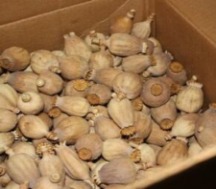
Discover poppy seeds, their nutritional profile, culinary uses, varieties, storage tips, buying advice and essential food-safety guidance.

About Poppy Seeds: Uses, Nutrition, Benefits & Buying Guide
Verified summary and editor assessment
Poppy Seeds – A Complete Guide to Uses, Nutrition and Buying Poppy seeds are small, oil-rich seeds widely used in baking, cooking and traditional dishes around the world. Their distinctive nutty flavour and delicate crunch make them a popular ingredient in bread, bagels, pastries, cakes, salad dressings and savoury recipes. Whether you are learning how to use poppy seeds in the kitchen, comparing different varieties or looking for a reliable food-grade product, understanding their characteristics can help you make an informed choice. Whole and ground poppy seeds offer different textures, while freshness, packaging and storage all influence their quality. Poppy seeds also deserve careful consideration from a food-safety perspective. Seeds from the opium poppy (Papaver somniferum) may become contaminated with opium alkaloids during harvesting and processing. Food regulations in some markets therefore set maximum permitted levels for these substances. This guide explains what poppy seeds are, how they are used, what nutrients they provide, how to choose and store them, and which safety considerations matter when buying and preparing them. What Are Poppy Seeds? Poppy seeds are the edible seeds of poppy plants. Culinary poppy seeds commonly come from Papaver somniferum, a species cultivated for different purposes, including food production. The seeds are small, kidney-shaped and available in several colours, including blue-grey, white and darker shades. Their flavour is mild and nutty, becoming more pronounced when they are toasted or incorporated into baked goods. Poppy seeds are used in many culinary traditions. They can be sprinkled over bread, incorporated into pastry fillings, mixed into cake batter or added to savoury dishes for extra texture. It is important to distinguish food-grade poppy seeds from other parts or preparations of the poppy plant. Only products specifically intended and legally marketed for food use should be used in cooking. Types of Poppy Seeds Blue Poppy Seeds Blue poppy seeds are common in European baking. Their blue-grey appearance and nutty flavour make them suitable for bread, rolls, cakes, pastries and traditional poppy-seed fillings. White Poppy Seeds White poppy seeds have a lighter colour and are used in selected regional cuisines, sauces, spice blends and baked dishes. Their appearance can be useful when a recipe calls for a pale-coloured ingredient. Grey and Other Varieties Grey and other poppy-seed varieties may be available depending on the producer and growing region. Differences in flavour, size and oil content can depend on the variety, growing conditions and processing methods. When choosing a variety, consider the recipe, the desired appearance and whether the seeds will be used whole or ground. How Are Poppy Seeds Used in Cooking? Poppy seeds are versatile, working in both sweet and savoury recipes. Their small size makes them easy to distribute throughout doughs, toppings, dressings and fillings. Poppy Seeds for Baking Poppy seeds are widely used in: Bread and bread rolls Bagels and savoury buns Cakes and muffins Pastries and strudels Biscuits and cookies Sweet yeast breads and traditional desserts Whole seeds are often sprinkled over dough before baking. Ground seeds are useful in fillings because they create a finer, more cohesive texture. Poppy Seeds in Savoury Dishes Poppy seeds can add crunch and a mild nutty flavour to salads, roasted vegetables, noodles, dressings and savoury breads. They pair well with ingredients such as lemon, honey, yoghurt, mustard and fresh herbs. For the best result, use them in proportions that complement the other flavours rather than overpowering the dish. Poppy Seeds in Desserts Poppy seeds are a familiar ingredient in cakes, sweet rolls, pastries and regional desserts. They work particularly well with citrus flavours, vanilla, apples, pears and dairy-based fillings. For recipes that require a smooth filling, ground poppy seeds may be more suitable than whole seeds. Poppy Seeds Nutrition Poppy seeds contain dietary fat, protein, fibre and several minerals. Their nutritional composition varies according to the product, variety and processing method. They are energy-dense because they contain a substantial amount of fat. As with other seeds and nuts, serving size should be considered as part of the overall diet. For accurate nutritional information, check the product label or a recognised food-composition database. Pay attention to the serving size and the values listed for energy, total fat, saturated fat, protein, carbohydrates, fibre and salt. Are Poppy Seeds a Source of Minerals? Poppy seeds can contribute minerals to the diet, including calcium, phosphorus, magnesium and iron. The amount available from a serving depends on the product and portion size. Nutrient content alone does not determine how much the body absorbs. Poppy Seeds and a Balanced Diet Poppy seeds can add flavour, texture and nutrients to a varied diet. They should be considered one ingredient among many rather than a complete source of nutrition or a treatment for a health condition. Avoid relying on unsupported claims that poppy seeds prevent disease, cause weight loss or provide specific medical benefits. How to Buy Poppy Seeds Choosing good-quality poppy seeds involves more than comparing prices. Food-grade labelling, freshness, packaging and traceable product information are important considerations. Choose Food-Grade Products Purchase seeds clearly labelled for culinary use. Check the ingredient list, supplier details, country-of-origin information where provided, and any preparation or storage instructions. Do not assume that every product derived from a poppy plant is suitable for eating. Check Freshness and Packaging Look for sealed, undamaged packaging and a clearly stated best-before date. Poppy seeds contain oils that can deteriorate during prolonged or unsuitable storage. If the product smells rancid, appears mouldy or has been exposed to moisture, do not use it. Whole vs. Ground Poppy Seeds Whole poppy seeds are ideal for toppings, bread dough and recipes where a slight crunch is desired. Ground poppy seeds are often more convenient for fillings and mixtures that require a finer texture. Ground seeds have more exposed surface area, so follow the manufacturer's storage instructions carefully. Organic and Conventional Poppy Seeds Organic certification concerns how a product is produced under the relevant certification rules. It does not, by itself, guarantee that a product is free from every contaminant. Compare labels, supplier information and any available quality documentation. How to Store Poppy Seeds Store poppy seeds in a cool, dry and dark place in a tightly sealed container. Protect them from moisture, heat, sunlight and strong odours. Whole seeds may retain their quality differently from ground seeds. For both types, follow the packaging instructions and use opened products within the recommended period. If you buy in bulk, consider dividing the seeds into smaller airtight containers to reduce repeated exposure to air and humidity. Refrigeration may be appropriate in some circumstances, provided moisture is controlled and the manufacturer's guidance is followed. Discard poppy seeds if they develop an unusual smell, a rancid taste, visible mould or signs of moisture damage. Poppy Seeds and Food Safety Poppy seeds intended for food use can sometimes be contaminated with opium alkaloids, including morphine and codeine. Such contamination can occur when plant material from the poppy capsule or other parts of the plant comes into contact with the seeds during harvesting and processing. The European Union regulates opium alkaloids in certain foods under Commission Regulation (EU) 2023/915. The regulation specifies a maximum level of 20 mg/kg for whole, ground or milled poppy seeds placed on the market for final consumers. For bakery products containing poppy seeds or processed poppy-seed products, the maximum is 1.50 mg/kg. These limits refer to morphine plus 0.2 times the codeine level. These are regulatory limits for specified food categories, not recommended consumption targets. A compliant product should still be consumed as an ordinary food ingredient and in reasonable quantities. Does Cooking Affect Poppy Seeds? Processing and cooking can influence the amount of certain substances present in a food, but the effect depends on the method, ingredients and starting contamination level. Do not rely on home preparation to make a product of unknown quality safe. Purchase poppy seeds from reputable food suppliers, follow product instructions and avoid methods designed to extract or concentrate opium alkaloids. Who Should Take Extra Care? People who are pregnant, caring for young children or managing a health concern should seek appropriate guidance from a qualified healthcare professional when uncertain about consumption. Follow applicable food-safety recommendations and avoid excessive intake. Common Mistakes When Buying or Using Poppy Seeds Avoid these common mistakes: Buying seeds without clear food-use labelling. Ignoring packaging damage or the best-before date. Storing seeds in warm, humid or sunlit conditions. Keeping ground seeds for too long without checking their condition. Assuming that organic certification guarantees freedom from all contaminants. Treating a legal maximum level as a target for consumption. Relying on unverified claims about medical or health benefits. A careful approach to product selection, storage and preparation helps preserve flavour and supports safer use in everyday cooking. Frequently Asked Questions About Poppy Seeds What are poppy seeds used for? Poppy seeds are used in bread, bagels, cakes, pastries, biscuits, dressings, sauces and other sweet or savoury dishes. They provide a mild nutty flavour and a slightly crunchy texture. Are poppy seeds nutritious? Poppy seeds contain fat, protein, fibre and minerals. They can contribute to a balanced diet, but they are energy-dense, so serving size matters. What is the difference between blue and white poppy seeds? Blue poppy seeds are common in European breads and pastries. White poppy seeds are used in selected regional dishes and recipes where a lighter colour is preferred. Their suitability depends on the recipe and product. Can you eat poppy seeds raw? Food-grade poppy seeds are used in a range of culinary applications. Follow the product instructions and avoid excessive consumption, as seeds can sometimes contain opium alkaloids from external contamination. Are whole or ground poppy seeds better? Neither is universally better. Whole seeds work well as toppings and for added texture, while ground seeds are useful for smooth or dense fillings. Choose according to the recipe. How should poppy seeds be stored? Keep poppy seeds sealed in a cool, dry and dark place. Follow the packaging instructions and discard any product with signs of mould, moisture damage or rancidity. Can poppy seeds contain morphine? Yes. Poppy seeds may become contaminated with morphine and other opium alkaloids during harvesting or processing. Certain markets, including the EU, establish maximum permitted levels for these substances in specified foods. Does baking remove all opium alkaloids from poppy seeds? No universal guarantee can be made. The effect of processing depends on the conditions and the original product. Buy food-grade seeds from reputable suppliers rather than relying on cooking to correct a product of uncertain quality. Are organic poppy seeds safer? Organic certification does not automatically guarantee the absence of contaminants. Check product quality information and follow the applicable food-safety guidance. What should I look for when buying poppy seeds? Look for clear food-use labelling, intact packaging, a best-before date, supplier information and suitable storage instructions. Choose whole or ground seeds according to your intended recipe. Final Thoughts Poppy seeds are a versatile ingredient that can add flavour, texture and nutrients to a wide range of everyday dishes. Blue, white and other varieties offer different culinary options, while whole and ground seeds suit different recipes. For the best experience, choose food-grade products from reputable suppliers, store them correctly and use them in reasonable quantities. Paying attention to freshness, labelling and food-safety guidance makes it easier to enjoy poppy seeds as part of a varied diet. Suggested call to action: Explore our food-grade poppy seeds and baking ingredients, compare product formats and choose the option that best suits your recipes.
Poppy Seeds: Uses, Nutrition, Benefits & Buying Guide stands out in the health-assistant ecosystem for its balance of capability and accessible design. With an AIToolboard Score of 87/100, we recommend Poppy Seeds: Uses, Nutrition, Benefits & Buying Guide for individuals and teams seeking efficient AI acceleration with low onboarding friction.
Top Poppy Seeds: Uses, Nutrition, Benefits & Buying Guide Alternatives in 2026
Compare Poppy Seeds: Uses, Nutrition, Benefits & Buying Guide against leading competitors in health-assistant
| Tool | Category | Pricing | Compare | Action |
|---|---|---|---|---|
L Lento Pulse A gentle haptic rhythm on your Apple Watch to help you wind down | health-assistant | free | Poppy Seeds: Uses, Nutrition, Benefits & Buying Guide vs Lento Pulse → | Review |
A AI Medical Scribe Scribeberry is an AI Medical Scribe that creates clinical notes, letters, and forms from patient conversations. Works with every EMR. Epic, Cerner, Athena, eClinicalWorks, and web-based EMRs. HIPAA, PIPEDA, and SOC 2 compliant. Desktop, Mobile, and Chrome extension. | health-assistant | freemium | Poppy Seeds: Uses, Nutrition, Benefits & Buying Guide vs AI Medical Scribe → | Review |
A AskMed AskMed answers clinical questions with citations from medical journals, guidelines and drug labels. | health-assistant | paid | Poppy Seeds: Uses, Nutrition, Benefits & Buying Guide vs AskMed → | Review |
P Petpedia AI Doctor Petpedia AI Doctor is a history-aware AI pet health assistant with private profiles and 5 free consultations a day. | health-assistant | freemium | Poppy Seeds: Uses, Nutrition, Benefits & Buying Guide vs Petpedia AI Doctor → | Review |
P Pensday GLP-1 shot tracker for iPhone and Android with AI food logging and an on-device body scan for fat and muscle estimates. | health-assistant | freemium | Poppy Seeds: Uses, Nutrition, Benefits & Buying Guide vs Pensday → | Review |
V Velto GLP-1 journal with an on-device AI that answers questions about your own logs. | health-assistant | freemium | Poppy Seeds: Uses, Nutrition, Benefits & Buying Guide vs Velto → | Review |
Poppy Seeds: Uses, Nutrition, Benefits & Buying Guide Frequently Asked Questions
Q:What is Poppy Seeds: Uses, Nutrition, Benefits & Buying Guide?
Poppy Seeds: Uses, Nutrition, Benefits & Buying Guide is a leading AI tool in the health-assistant category designed to discover poppy seeds, their nutritional profile, culinary uses, varieties, storage tips, buying advice and essential food-safety guidance..
Q:How much does Poppy Seeds: Uses, Nutrition, Benefits & Buying Guide cost?
Poppy Seeds: Uses, Nutrition, Benefits & Buying Guide operates on a free pricing model. Check the official website for real-time tier options and enterprise volume discounts.
Q:What are the top alternatives to Poppy Seeds: Uses, Nutrition, Benefits & Buying Guide?
The best alternatives to Poppy Seeds: Uses, Nutrition, Benefits & Buying Guide include Lento Pulse, AI Medical Scribe, AskMed. Each offers distinct features for health-assistant workflows.
Q:Is Poppy Seeds: Uses, Nutrition, Benefits & Buying Guide suitable for business teams?
Yes, Poppy Seeds: Uses, Nutrition, Benefits & Buying Guide holds an AIToolboard Enterprise Readiness score of 88/100, making it well-suited for individual creators, fast-growing startups, and corporate teams.
Experience Poppy Seeds: Uses, Nutrition, Benefits & Buying Guide in Action
Supercharge your daily workflow with verified AI software from AIToolboard.
Visit Poppy Seeds: Uses, Nutrition, Benefits & Buying Guide Official Website